
Why Pre-1940 Mercer Island Homes Are Quietly at Risk
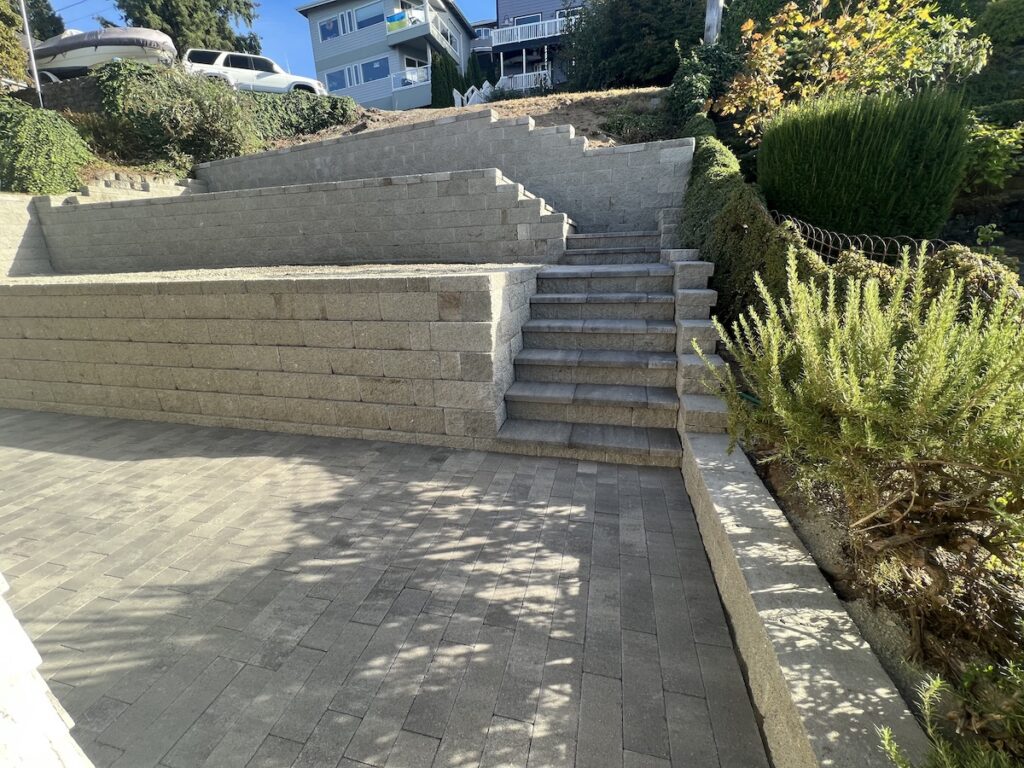
A retaining wall can protect your property for decades, but if it was built without proper drainage, the same wall could eventually put your foundation at risk. That’s especially important on Mercer Island, where many homes have retaining walls that were built decades ago, before proper drainage systems became standard.
Over time, trapped water, shifting soil, and repeated weather exposure can put increasing stress on these aging structures. When water cannot drain properly, pressure builds behind the wall and can affect the surrounding ground.
To understand the risk, it is better to take a look at how older walls were built and the conditions they have faced over the years.
The Pre-1940 Problem
Older Walls Were Built Without Drainage
Many retaining walls from the 1950s, 1960s, 1970s, and earlier lack features to move water away from the structure, such as perforated drain pipe, filter fabric, and gravel backfill.
Without a proper drainage path, rainfall can remain trapped behind the wall and saturate the soil. That creates hydrostatic pressure, which pushes against the wall and can eventually contribute to cracking, leaning, bulging, or other movement.
Glacial Till Holds Water
Mercer Island’s soil conditions make drainage even more important. Much of the area contains glacial till, a dense mixture of soil, rock, and other material left behind by glaciers. Because it does not drain as quickly as loose soil, heavy winter rainfall can leave the ground saturated for extended periods.
During the wet season, particularly from October through March, water can remain in the soil well into spring. That moisture can continue pressing against the structure and can also affect the ground supporting nearby structures.
Freeze-Thaw Cycles Accelerate Failure
Trapped water creates another source of stress when temperatures fall. As moisture in the soil freezes, it expands and pushes against the retaining wall. When temperatures rise, the ice melts, and the soil shifts again.
Repeated freeze-thaw cycles can gradually add to movement in an aging wall. Over time, this may show up as leaning, cracking, bulging, or gaps between blocks. If that movement extends into the surrounding soil, nearby structures can also be affected.
Signs Your Foundation Is at Risk
Foundation and retaining wall problems often develop gradually, so small changes are worth noticing. Look for cracks in foundation or basement walls, particularly horizontal cracks, as well as soil erosion near the base of the retaining wall or foundation.
Water entering the basement after heavy rain is another warning sign. So are puddles forming behind or above the wall, which may indicate that water is not draining properly.
Visible wall damage deserves attention too. Leaning, cracking, bowing, or gaps between blocks can indicate that the wall is under increasing pressure.
Inside the home, uneven door or window frames and doors or windows that suddenly become difficult to open or close may also indicate movement in the surrounding structure.
If you notice several of these signs, have the wall and surrounding property evaluated rather than waiting for visible failure.
How a Failing Wall Damages Your Foundation
Hydrostatic Pressure
Water trapped behind a retaining wall pushes outward against the structure. As the soil becomes saturated, it also becomes heavier, increasing the load behind the wall.
Over time, this pressure can contribute to leaning, cracking, and bowing. Water and saturated soil can also contribute to erosion and instability around the foundation.
Lateral Soil Movement
When a retaining wall leans or fails, the soil it was holding can shift. This can change how the ground supports nearby foundation footings and may lead to uneven settlement.
As the supporting soil moves, cracks can develop in foundation or basement walls. In more severe cases, significant foundation movement can create structural problems.
Sinkholes & Washouts
Poor drainage can also wash soil away from beneath or around a retaining wall. As material is gradually eroded, voids can form below the surface.
If those voids develop near the foundation, the ground may no longer provide consistent support. Sections of the foundation can then settle into weakened areas, creating a potentially serious structural issue.
Basement Flooding
When water cannot drain away from the retaining wall, it may collect behind the structure and move toward the home. After heavy rain, that water can eventually enter the basement through cracks, joints, or other vulnerable areas.
Persistent basement moisture can also indicate that the surrounding soil remains saturated, adding pressure against the foundation.
Why Mercer Island Is Especially Vulnerable
These risks become more important on Mercer Island because of the combination of older homes, sloped properties, heavy seasonal rainfall, and local soil conditions.
Many homes across the island were built during the 1950s through the 1970s, meaning these retaining walls have already been exposed to decades of weather and soil movement.
On sloped lots, those walls also have to manage water runoff moving downhill. Moreover, Mercer Island’s glacial till can slow water movement through the ground, allowing moisture to remain in the soil for extended periods.
The island also receives roughly 35-40 inches of rain each year, with a large share falling between October and March, when retaining walls are already dealing with increased moisture.
Together, these conditions can leave an older wall without adequate drainage under prolonged pressure from saturated soil.
Assessment vs. Repair vs. Rebuild
Early Assessment (Now)
If your wall is still standing but you are unsure about its condition, start with an assessment. A contractor can inspect the wall, drainage, surrounding soil, and its proximity to your home to determine whether it is stable, beginning to move, or already failing.
This is also the best time to act because you typically have more options when a problem is caught early. An assessment may be free, while waiting until the wall fails can turn a manageable drainage or repair project into a much larger structural expense.
Preventive Repair
If the wall is stable but lacks adequate drainage, you may not need to rebuild it. Instead, improving how water moves through and away from the wall can reduce pressure and help extend its remaining service life.
Depending on the wall and site conditions, this may involve installing a perforated drain pipe, adding gravel drainage material, or incorporating weep holes. A typical preventive drainage project may cost around $3,000-$6,000, although the final cost depends on access, wall size, existing construction, and the work required.
Rescue Repair
If the wall is already leaning or cracked but has not collapsed, a more extensive repair may be needed. In some cases, the damaged section can be partially rebuilt while a complete drainage system is added behind the wall.
This type of work may cost approximately $8,000-$15,000 and, depending on the wall and site conditions, can provide another 20–30 years of service. However, at this stage, an assessment is particularly valuable.
Full Rebuild
If the wall has failed, is actively collapsing, or has sustained significant structural damage, a full rebuild may be the better option. This typically involves removing the existing wall, preparing the site, installing proper drainage, and constructing a new retaining system suited to the property’s conditions.
A full rebuild may cost approximately $15,000-$35,000 or more, depending on the wall’s size, access, materials, excavation, and any related soil or foundation work. A properly designed and constructed replacement can provide 40+ years of service when drainage and site conditions are properly managed.
In the end, the cost of waiting can be much higher than the cost of addressing the problem early. As one homeowner waited three years after noticing foundation concerns before addressing the retaining wall. In the fourth year, the wall failed, and the foundation damage had to be repaired alongside it.
The final cost was $28,000, compared with approximately $6,000 for the preventive drainage work that could have been done in the first year. This case shows why assessing an aging wall early can give homeowners more options and help prevent a retaining wall problem from becoming a much larger foundation repair.
What You Should Do Now
Step 1: Get an Assessment
Start with an on-site assessment from a contractor who understands Mercer Island retaining walls and local glacial till. Find out whether your wall is at risk and how urgent the issue is.
Step 2: Get a Clear Scope
Next, find out exactly what the wall needs. Is it preventive drainage work or a full rebuild? Get a clear cost and timeline so you know what you’re dealing with.
Step 3: Don’t Delay
Fall and winter bring heavier moisture, which can put added pressure on an already weakened wall. If your wall hasn’t failed yet, now is the time to address it—not after winter makes the problem worse.
Step 4: Factor in Resale
A failing retaining wall can raise concerns during inspections and affect your home’s value. Addressing the problem now can help protect both your property and your future resale.
Key Takeaway
A pre-1940 Mercer Island home with an aging retaining wall is not automatically at risk of foundation damage. However, an older wall without proper drainage can allow water and soil pressure to build over time, particularly on sloped properties with dense glacial soil.
Watch for leaning, cracking, standing water, erosion, and changes around the foundation. If you see these signs, an early assessment can help determine whether the wall needs drainage improvements, repair, or a complete rebuild.
Addressing a drainage or wall problem early is generally far easier than dealing with a failed wall and foundation damage at the same time.
Protect Your Mercer Island Home
Call Angel at 425-260-1595 for a free consultation. Find out whether your wall needs drainage improvements, repair, or a rebuild, and protect your foundation before a retaining wall problem becomes a larger structural issue.